Regulation is always seen as a major pain in the neck for OEM and engineers. Too complicated, too expensive. If each OEM were more concerned about safety, perhaps the need for regulation would be less. So, governments, most assertively in Europe, issue regulations to set minimum safety standards for roadgoing vehicles. For sure there are negatives for the regulated parties – automakers and suppliers – but there are positives, too.
Regulations, when thoughtfully and forthrightly crafted, create a level playing field where everybody has an equal obligation, opportunity, and requirement to fulfil the same regulation. Appropriate regulations tend to narrow the range of specifications between different makers, and that facilitates standardization. And clever companies can leverage regulations to anticipate new products, as Audi did with daytime running lights (in 2009 if I recall correctly). The brand-and-model identity advertising benefit of DRLs thus leveraged surely nullifies whatever aches and pains the requirement creates, and that’s without even considering the crash-reduction benefit.
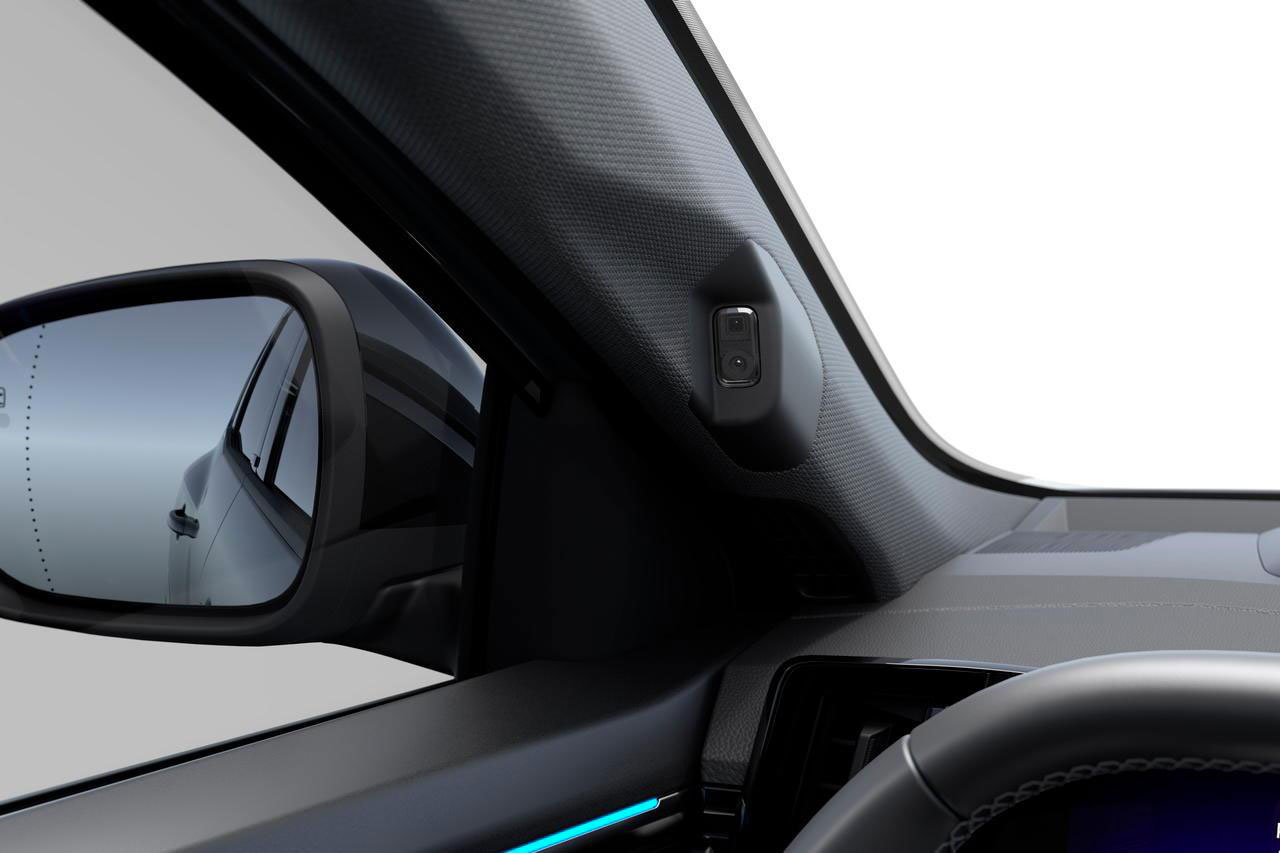
A new regulation recently entered force in Europe: the GSR II (second revision of the general safety requirements), which can be read about on TÜV Sud’s page here. Amongst other requirements, GSR II mandates driver monitoring systems be phased in: from 2024 all new vehicles must have driver drowsiness and attention warning, which is simple. From 2026, though, the advanced driver distraction warning systems already required since 2024 for new vehicle type-approvals will become mandatory on all new vehicles, even those already in production. Euro NCAP will add more criteria in coming years, linking ADAS and passive safety features and DMS (e.g., position and number of occupants for airbag/seat belt deployment).

In 2015, Opel and TU-Darmstadt presented results with eye-tracking sensors to improve lighting performance, safety, and power consumption; now with advanced DMS coming to all vehicles, this kind of sensor will be available “for free” for our lighting department. When will we see lamp function applications tied in? Surely soon. Take a look at the video from the 2015 presentation in this week’s in-depth piece, and think of the amazing potential for innovation and safety improvement.
In a nutshell: with just a little shift in how we think, regulation is less of a pain and more of an opportunity!
Sincerely yours,