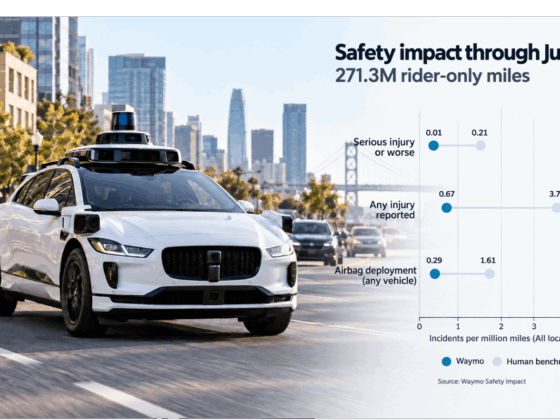
Robotaxis are moving much closer to the center of the European automotive agenda. The market is still behind the United States and China in commercial driverless fleet size, but the discussion is no longer based only on demonstrations and distant plans. Europe now has licensed vehicles, public riders and several operating models moving in parallel.
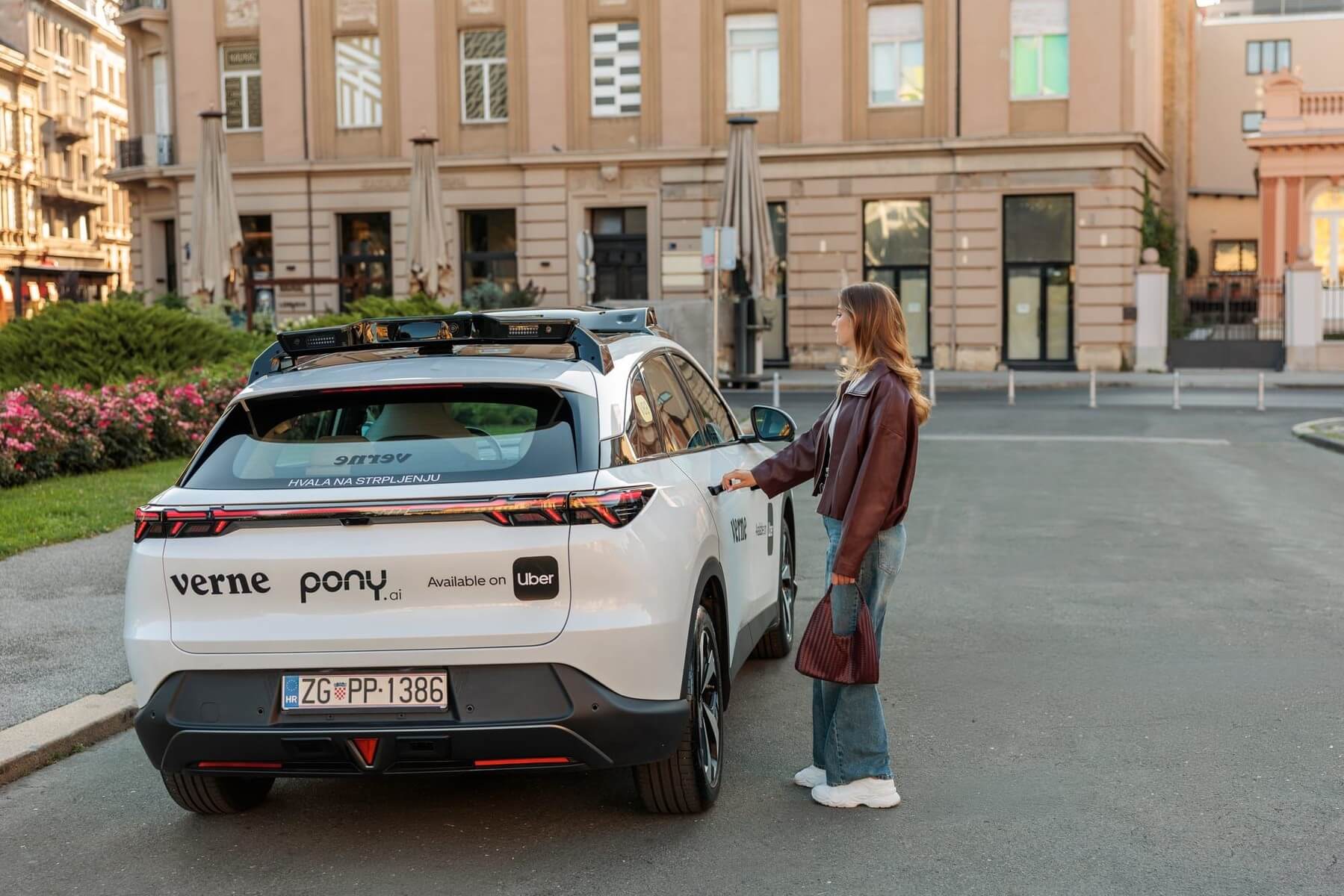
Zagreb is the clearest current example. Riders can request an autonomous vehicle through Uber, using Pony.ai technology and a fleet operated by Verne. A licensed operator still monitors the vehicle from behind the wheel, so this is not yet a driverless service. In London, Transport for London has licensed a first group of Wayve vehicles for private-hire trials with a trained driver onboard.
The next wave points to 2027. Waymo plans a public service in Munich toward the end of that year. WeRide and GreenMobility target Denmark in the first half. Momenta has received a nationwide German Level 4 test permit. Mercedes-Benz, Nvidia and Uber are building an S-Class robotaxi ecosystem. Volkswagen and Mobileye are preparing another commercial model. Tesla adds pressure through its direct service model, its large supervised FSD data engine and its new Nevada permit. Its European robotaxi route remains undefined, and France has rejected approval of FSD Supervised in its current form.
These plans are not equivalent. Some refer to commercial services, while others describe testing, L2++ delivery or fleet expansion. The common signal is that Europe is becoming a real operating target. Regulation, local fleet partners and city-level operations will decide which announcements become public services.
The interview with Zenseact adds an important OEM perspective. Volvo Cars is following a more integrated path. Its fully owned software company connects the driving stack with vehicle architecture, field-data collection, validation and updates. The objective is not only better driving performance. It is greater control over the evidence needed to release and expand automated functions.
Zenseact combines a large end-to-end neural network with more analyzable safety guardrails. New functions can run across the fleet in observation mode before they are allowed to control the vehicle. This provides broader exposure to real situations and supports the safety argumentation. Zenseact still sees safety as the main factor limiting wider deployment of unsupervised driving. A smaller initial operational domain may therefore be more valuable than an ambitious launch that cannot be defended.
Zoox provides the commercial benchmark from the United States. Its purpose-built vehicle has received a federal exemption and has started charging passengers in Las Vegas. The company has connected vehicle approval, safety evidence, emergency response, fare design and daily fleet operations. This shows what changes when autonomous driving becomes a paid product.
This issue therefore follows two connected paths. Robotaxi companies must prove that permits, vehicles and operating partners can become reliable services. OEMs and their software organizations must prove that AI-based driving systems can support a defensible safety case. The next phase will be measured in approved vehicles, paying rides, field evidence and reliable operation rather than announcements alone.

Dr. Markus Hahn
Senior Advisor, DVN