
I spend a lot of time covering robotaxi technology advancements in this newsletter, as the most advanced technologies being used there will eventually filter down into the larger passenger car market.
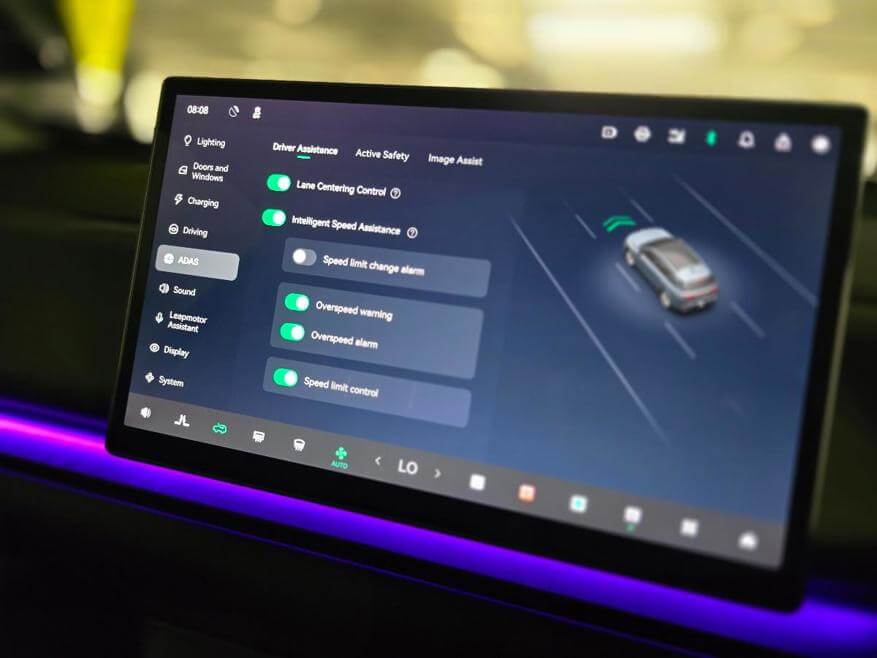
Manufacturers also need to keep an eye on consumer feedback of the more basic ADAS features to make sure these become a “must have” versus an annoyance. It is interesting to look at new car reviews and consumer comments occasionally and last month I was reading a review of the Leapmotor B05, recently launched in Europe. The standard suite of 21 ADAS functions were “some of the most annoying” the publication had reviewed, with aggressive LKA that tugs the steering wheel being called out, along with an orchestra of bings and bongs and too many sub-menus to turn the features off.
This is by no means unique to Leapmotor. While ADAS features can dramatically cut accident rates, it doesn’t work if it becomes so annoying that the user switches them off and making that hard to do further negatively impacts the experience with the brand. MG drivers also gripe about jerky steering inputs, no quick way to turn off LKA, false positives from AEB and lack of smooth lane centering with traffic jam assist. My Tesla also suffers from many of these issues and check out my review Volkswagen’s IQ.Drive in this month’s newsletter. OEMs need to focus on refining existing features as much as they focus on adding new ones.
In this edition, you will also find a
- test drive of the robotaxis of Pony.ai in Beijing (China Market)
- exclusive interview of Infineon giving the trends in car electronic architectures.
We now have an almost full slate of speakers for our Stuttgart Sensing and Autonomous Driving Conference in November, and we expect the event to sell out. Please encourage your colleagues that want to attend to register early. There are still a few exhibitor spaces available – please reach out to me if you are interested to engage with the DVN community.

Martin Booth
DVN USA Representative
[email protected]