
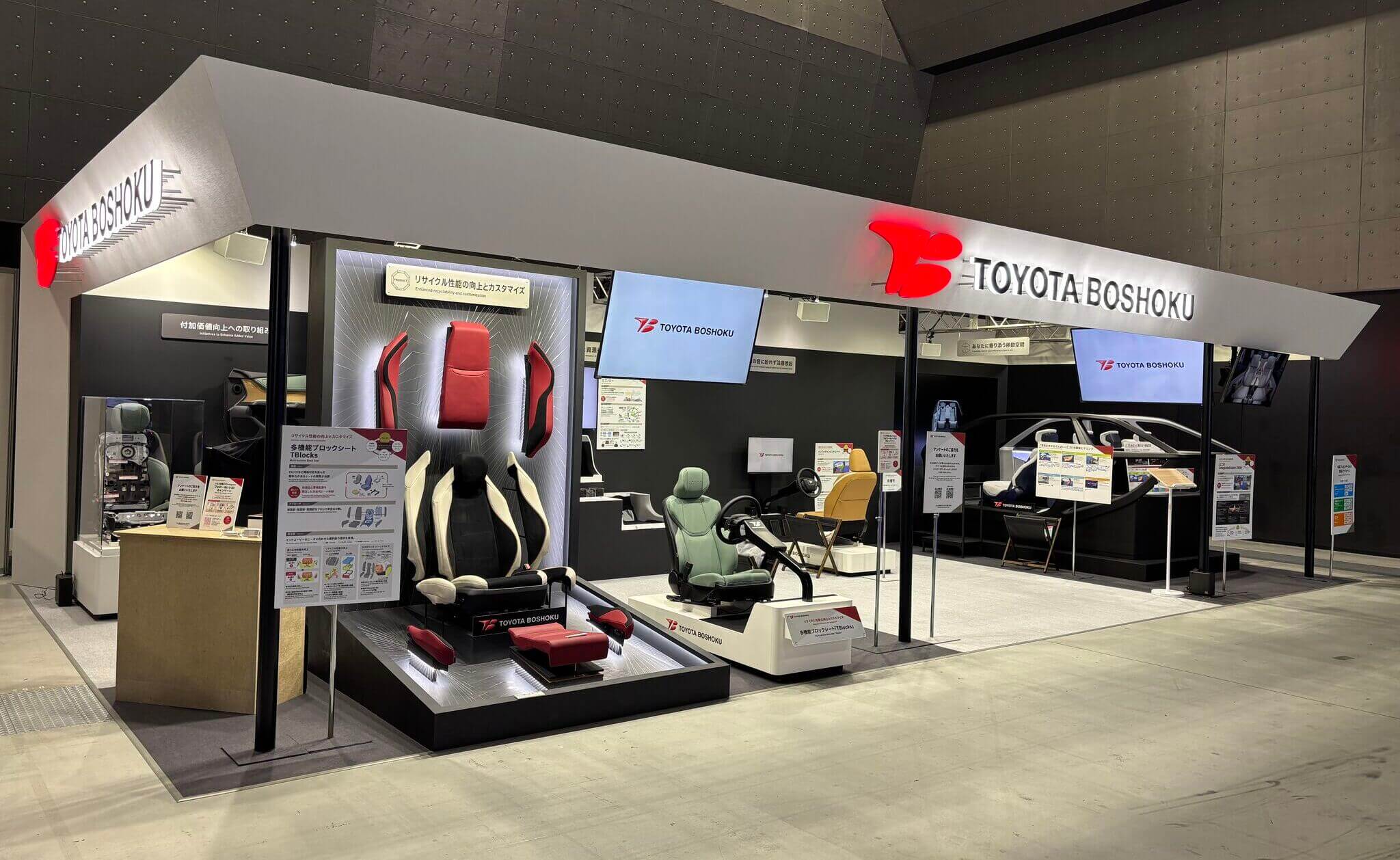
Car cabins are evolving from a box of tech gadgets to a cogent, coherent, deliberately-engineered ecosystem. Every surface, light, material, and control has to have more going for it than just novelty.
Smart surfaces, for example, are progressing out of the gee-whiz phase. Increasingly, their value lies in becoming natural in use, with haptic, backlit, or contextual controls. Ambient lighting is also becoming more functional, integrated into roofs, door panels, and rear zones to structure space, support driving modes, and enhance the perception of comfort. And seats are long past the someplace-to-sit stage; they’re architecturally engineered as much as the whole car is.
Successful cabin design, in this context, isn’t achieved by adding yet more piles of tech to make the user feel as though they’re seated inside a product brochure. Rather, it’s done by paying careful attention to the quality of integration to optimally combine ergonomics, safety, sustainability, comfort, and desirability.
Questions? Comments? Suggestions? Contact Emilie Bonnet or Laurent Sérézat.
Take care,



