
By Laetitia Lopez | CMF, Strategy and Branding Consultant
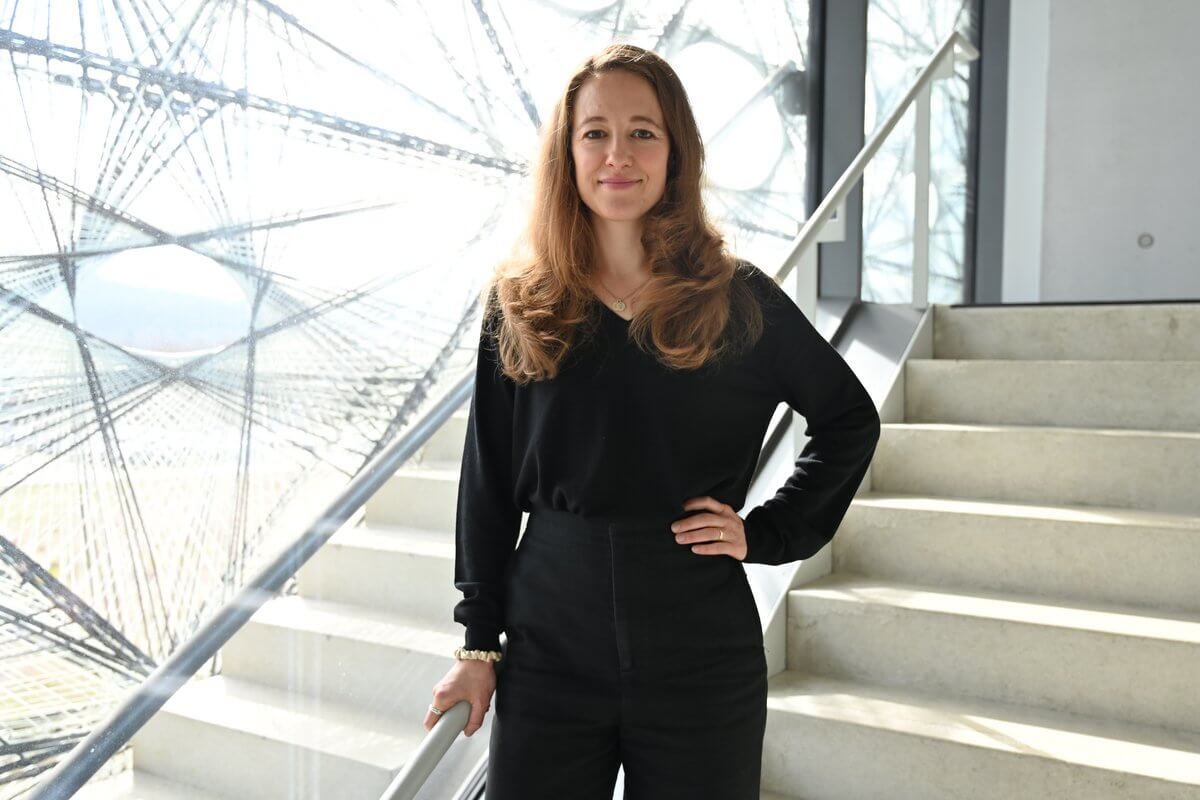
Professor Katharina Jose brings more than 15 years of international CMF expertise to the Texoversum School at Reutlingen University. After earning her degree in Fashion and Apparel Design from Pforzheim University, she built her career in the automotive industry, first as a Color & Trim Designer at Kia Europe and later at Geely in Sweden, where she advanced to Head of CMF Design for Lynk & Co. In these roles, she led international teams and shaped the color, material, and finish strategies for production vehicles and visionary concept programs.
Through her extensive experience in global automotive design, Katharina has developed deep expertise in material innovation, CMF strategy, sustainable design thinking, and the integration of digital and physical design workflows. Today, she brings this knowledge into academia, making her exceptionally well suited to lead the CMF department at Reutlingen University, where she is preparing the next generation of designers to work at the intersection of creativity, technology, and material innovation.
DVN: How would you describe the Transportation Interior Design & CMF course at Reutlingen?
Katharina Jose: The core vision of our program is to educate designers who understand mobility as an experience and a solution to support people in the moment of transit.
At Reutlingen, Transportation Interior Design is built on three connected pillars: CMF, 3D Design, and Visualization. What makes the program unique is not each discipline alone, but the interaction between them. Students move constantly between material exploration, spatial thinking, and digital storytelling.
We encourage students to develop visionary mobility concepts while responding to socially relevant topics such as sustainability, changing lifestyles, inclusion, and future user needs. The goal is to create designers who can think holistically, collaborate across disciplines, and shape meaningful mobility experiences for the future.
DVN: What gaps in mobility design education do you aim to fill with this program?
K.J.: Many traditional transportation design programs still focus strongly on exterior styling and form development. We wanted to create a program that places equal importance on experience, materiality, atmosphere, and human interaction.
DVN: How does the course reflect the transformation of mobility from product-centric to experience-centric design?
K.J.: Today, interiors become living spaces, workspaces, or places for relaxation and interaction. This changes the role of the designer completely. We encouraged our students to think beyond the vehicle itself and consider atmosphere, multisensory perception, emotional connection, and social relevance.

DVN: How does interior CMF influence user perception, brand identity, and emotional connection?
K.J.: Today, materials are no longer only visual elements – they create multisensory experiences. Acoustic textiles can create calmness and focus, ambient lighting can influence mood and spatial perception, and natural materials can trigger emotional associations through touch or even smell.At the same time, CMF communicates deeper values. Materials tell stories about sustainability, longevity, authenticity, and responsibility. They help define what a brand stands for — and what users want to identify with emotionally.

DVN: How does Reutlingen’s approach compare to other transport design programs?
K.J.: One of the biggest differences is our strong focus on collaboration and interdisciplinary workflows. From the very beginning, our students work closely across CMF, 3D Design, and Visualization. They learn how to align ideas, compromise, communicate, and develop concepts together – very similar to professional studio environments.
Another key aspect is the combination of analog material exploration with advanced digital workflows. Students move between physical materials, digital twins, XR technologies, and visualization tools throughout the entire process.
We strongly believe that teamwork, adaptability, and independent visualization skills are essential competencies for future designers.
DVN: Is hands-on material exploration integrated, with digital tools and visualization workflows?
K.J.: We begin with analog exploration. Students work directly with materials, textures, surfaces, and finishes because physical interaction creates intuition and curiosity. Many unexpected discoveries happen during this hands-on phase (these experiments happen in the labs here in school, sometimes in their own kitchens!). We also host material workshops where we invite Material companies to bring their materials, which the students can work with, hands-on.
From there, we bridge into the digital world. Through material scanning, visualization software, and integration into 3D workflows, students transform physical samples into digital twins. The goal is not simply to imitate materials digitally, but to translate their character and atmosphere accurately into virtual environments.
This allows students to visualize materials in context – understanding how light, reflection, texture, and spatial perception influence the overall experience.
DVN: Do industry partnerships shape briefs, mentoring, and final evaluations?
K.J.: Industry collaboration plays a central role in our program. We work closely with partners through semester projects, workshops, guest lectures, and material collaborations. Students gain direct exposure to professional workflows while receiving feedback from experienced designers and specialists.
These collaborations create valuable synergy models between academia and industry. Projects with partners such as MAN, Geely, software companies like Adobe Substance or material suppliers like Alcantara and Bader leather allow students to engage with real challenges while still maintaining the freedom to experiment and innovate.
DVN: What skills and mindsets are companies are seeking in today’s graduates?
K.J.: Beyond strong creative skills, companies increasingly look for adaptability, communication and collaboration skills, and independent thinking.
The ability to communicate ideas visually, work across disciplines, and understand socially relevant mobility topics has become extremely important. At the same time, teamwork is essential. Designers today rarely work in isolation – they need to align with engineering, visualization, sustainability, marketing, and many other fields.
DVN: Are new technologies changing how students develop CMF concepts?
K.J.: Technologies such as AI, VR/AR, and real-time visualization are significantly expanding the way students explore and communicate CMF concepts.
At Reutlingen, we integrate VR workflows not only for ergonomic evaluation, but also for studying color perception, spatial impact, and atmosphere within interiors. Digital tools allow students to test ideas faster, visualize materials more realistically, and create immersive storytelling experiences.
At the same time, we always balance digital innovation with physical material exploration. Technology should enhance sensitivity toward materials — not replace it.

DVN: Can you foster individual creativity while maintaining industry alignment?
K.J.: We foster individual creative identity through close mentorship and a highly personal supervision culture. Students are encouraged to develop their own perspectives, narratives, and design languages rather than following a predefined aesthetic direction.
At the same time, continuous collaboration with industry partners ensures strong professional relevance and exposure to real-world expectations. Students learn how to position bold ideas within realistic frameworks and communicate them professionally.
What is especially important to us is preserving the freedom of academic exploration. Unlike in industry, students are not yet constrained by the full ‘corset’ of production limitations, regulations, or commercial pressures. This freedom allows them to experiment, question conventions, and develop visionary concepts – while still understanding how professional design processes work.
DVN: For you, what’s the best thing about leading this program?
K.J.: What excites me most is the opportunity to shape the next generation of CMF designers – not only by sharing professional knowledge, but by helping students develop their own creative voice and way of thinking.
After many years in industry, I find it incredibly rewarding to build bridges between academia and practice: creating an environment where experimentation, curiosity, and professional relevance can coexist. Students need freedom to explore, but they also need an understanding of how ideas translate into reality. Bringing these two worlds together is something I care deeply about.
One project I am especially passionate about is the development of the Texoversum Material Library. I see it as much more than an archive of samples – it is a hands-on educational platform where students can experience materials physically, compare them, question them, and understand them beyond digital images. Through collaborations with material suppliers and industry partners, it also becomes a living interface between education, research, and innovation.

DVN: How should this course evolve in the coming years?
K.J.: Mobility will remain a core focus and an exceptional training ground, but I want our graduates to leave with a mindset that allows them to move confidently across industries, scales, and future challenges. In many ways, CMF itself is universal – it connects products, spaces, technologies, and experiences through material and sensory language.
I believe it is important to educate students in CMF not only for automotive, but for a much broader design landscape. The principles of CMF – storytelling through materials, creating emotional resonance, balancing functionality, brand values, and æsthetics – are universal. And this flexibility is becoming increasingly important, because the borders between industries continue to blur.
DVN: What’s the program’s unique value?
K.J.: The program connects material experience, spatial design, and digital innovation to educate designers who shape future mobility through meaningful human experiences.
As mobility design continues to evolve, the Transportation Interior Design & CMF programme at Reutlingen University remains committed to equipping students with the creative, technical, and strategic skills needed to shape the future of human-centered mobility. Under Katharina Jose’s leadership, the programme fosters a unique balance between experimentation, industry relevance, and material innovation, preparing graduates to become influential contributors across the wider design landscape.
An opportunity to experience this vision firsthand will take place during the TEXOVERSUM Mobility Design Days on 10 – 11 July 2026, where students will present their future mobility concepts developed in collaboration with Geely, alongside a programme of talks exploring the growing role of artificial intelligence in the design process.


